Lifemusic
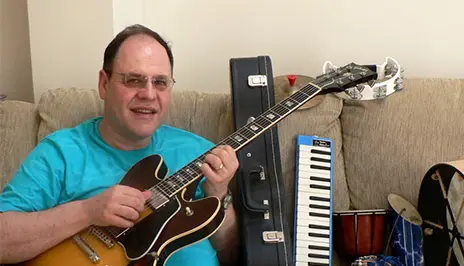
Lifemusic is a highly accessible form of community music-making, devised by composer, music therapist and author Dr Rod Paton. Watch Rod explaining how Lifemusic works in this video.
 As a qualified practitioner and member of the Guild of Lifemusic Practitioners, I offer Lifemusic sessions, usually conducted in groups.
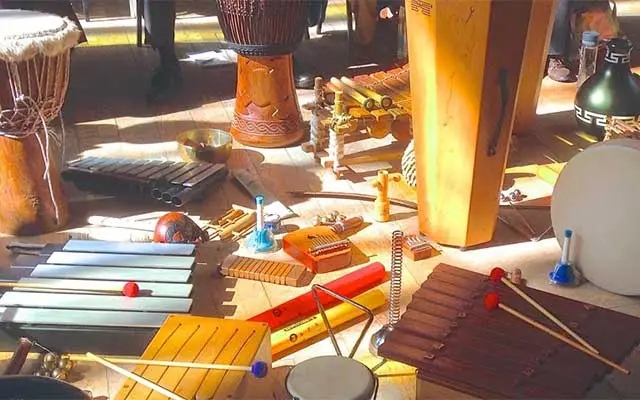
This is not psychotherapy – however its effects are often described as healing or therapeutic. Lifemusic aims to promote creativity, inter-connectedness, enjoyment and well-being. Our sessions explore making sounds together using simple ‘instant-access’ instruments (including tuned and untuned percussion) that anyone can play without prior experience or skill. Freestyle vocalising also plays a part in a Lifemusic approach.
Video: vocal warm-up from training session in Poland
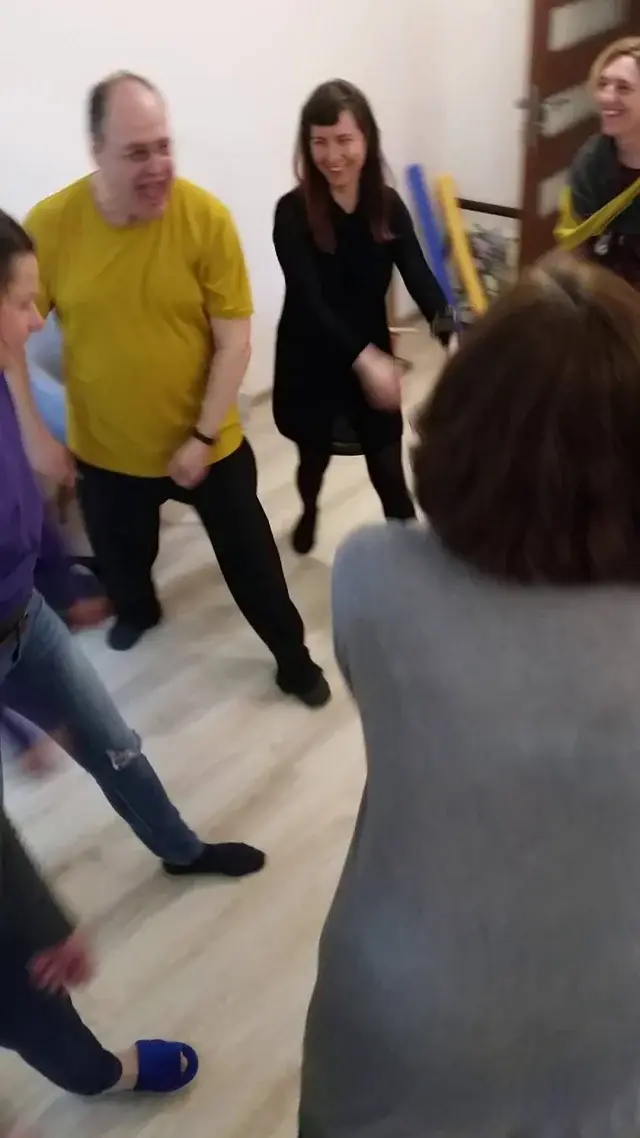
Video by Anna Ziomek
“Improvised music has this integrating function: it takes the raw material of sound as it emerges from people’s bodies and voices, and from the magical objects we call musical instruments, and fashions it, quite spontaneously and often with surprising ease, into structured forms.” Rod Paton
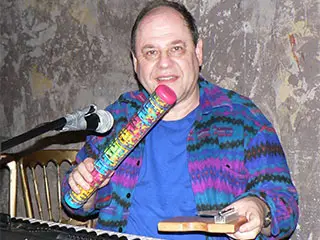 Lifemusic holds to the following notions:
- everyone (really!) is musical
- there is no such thing as a ‘wrong ‘note
- every sound carries meaning
- music-making involves mutual trust
Many participants describe its effects as empowering, restorative and life-affirming. Lifemusic workshops have been brought into residential care homes as well as a variety of health and education projects in Great Britain, mainland Europe, America and the Republic of Ireland. Lifemusic can also be used for team-building in corporate settings. It can be used in staff training to help professionals develop their own capacity for nurture, flexibility and self-care.
“When music flourishes, people flourish too. People love music, and they love musicking together. It is not difficult to understand why. This is how music helps.” Gary Ansdell
On improvising…
“Group improvisation is rather like having an abstract conversation in which everyone is permitted to speak at the same time.” Rod Paton
The Lifemusic approach is based on improvisation. This involves playing music spontaneously, with little time to worry about one’s perceived level of skill. No previous musical training or experience is required.
Read more about improvising
FAQs
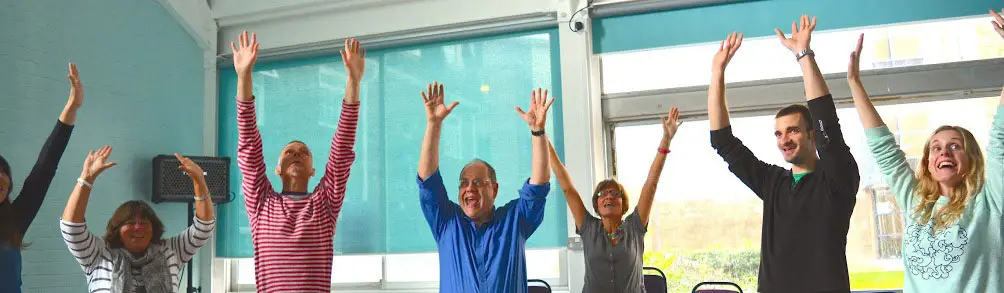
What happens in a Lifemusic workshop?
“Lifemusic is less about the sound of the music, and more about the sound of people making connections.” Laura Cousins
The workshop usually concludes with a winding down activity after which we may reflect on what we have just created and briefly prepare for next session.
I can’t read music. Would this be a barrier for me?
What if I had a bad experience of music making at school?
Isn’t music making very technical and noisy? I prefer more natural sounds...
What if I don’t want to sing or play an instrument?
Testimonials
“Jon has a wide musical register to draw on and responds spontaneously and sensitively to people’s moods. Recommended!” JS, psychotherapist, London.
“Your insightful observations about how we were relating in the group has helped with restructuring my music sessions with mothers and toddlers – thanks again!” EH, early years music teacher, London.
“I was really captivated by the impact of the sound community we created. I can see its applications in many spheres.” DW, Lifemusic participant.
Find out more about Lifemusic
Find out more about the Lifemusic method in this video with Dr Rod Paton.